Digital dialogue through the MyVoice platform is helping young people and adults better understand one another.
By Blair Mitchell
Young people in Alamance County have something to say, but too often, they don’t feel heard.
“We want to create a spotlight where kids can feel comfortable to speak up for themselves and not have adults filter their feelings,” says Jocelyn Williams.
That idea is at the center of the MyVoice platform, a digital platform developed by the For Alamance Youth Wellness Team and led by co-leaders Williams and Kelly Mendenhall. The aim is to create space for young people in Alamance County to share their experiences, perspectives and needs on their own terms, without fear of invalidation from adults.
Part of the For Alamance grassroots initiative, the Youth Wellness Team supports young people in expressing what they need to thrive and helps turn their voices into actions that strengthen well-being across the community.
Listening First
According to Williams, the foundation of MyVoice was built from multiple community meetings held with different youth groups and organizations across Alamance County, including the Mayco Bigelow Center, the Alamance-Burlington School System and Valores.
Those conversations focused on a few key questions: What does an ideal community look like for young people? What does safety look like for young people in different communities and races? And how can adults intentionally validate the opinions of youth?
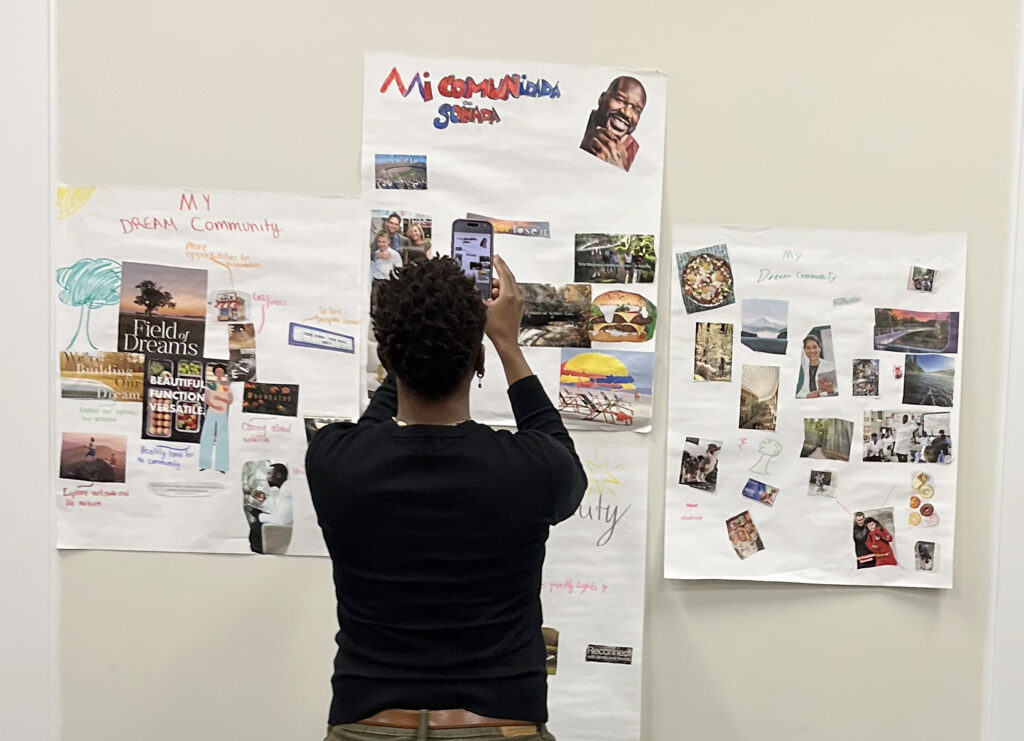
Williams’ own experiences working with the For Alamance Youth Wellness Team also helped shape the idea that would become the MyVoice platform.
“What we found as adults and local stakeholders is that we can say whatever we want to in these meetings,” Williams says. “However, we’ve learned it doesn’t land the same when it’s coming from us versus when it’s actually coming from a youth’s perspective.”
A consistent theme emerged: young people want to be heard but not judged. They want to share honestly, without fear of being dismissed or misunderstood.
How MyVoice Works
The MyVoice platform was designed with that need in mind.
Accessible through a QR code or link, the platform uses a Padlet forum where participants can respond to prompts about their experiences and perspectives. Questions invite youth to imagine the kind of community they want to live in, describe what safety means to them, describe how adults can best support them and share what they wish others understood about their lives.
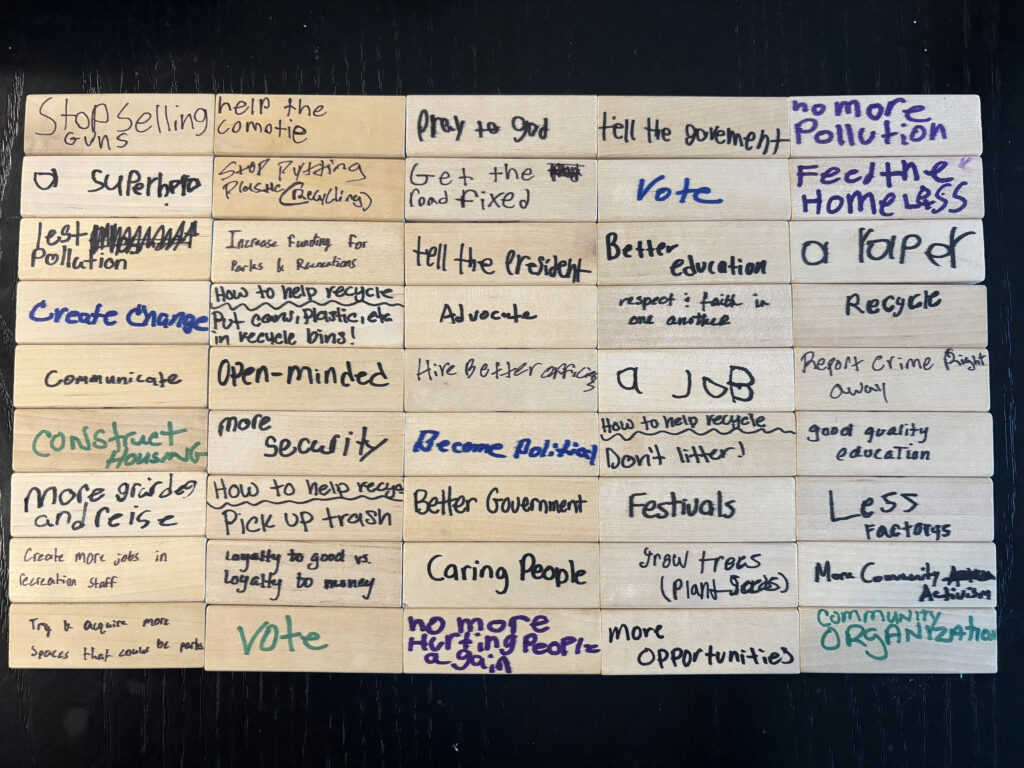
“I want to live in a safe and fun community,” one participant wrote. “A community where people respect each other and communicate without having to use violence.”
A key feature of the platform is its versatility and accessibility. Responses can be typed, recorded as audio, shared as video or even uploaded as images.
“This provides an opportunity for them to be as loud or as quiet as they want to be, while still allowing their voices to be heard, appreciated and validated,” Williams says.
Throughout each issue discussed, safety kept coming up. That’s why an integral function of the platform is that responses made are anonymous unless the respondent wishes to share information about themselves.
“It’s less about what they look like, and more about what they have to say,” Williams says. “But the main thing is safety … being able to share experiences that may not have been the best.”
Bridging the Gap
In addition to the youth platform, the team created a second space: “My Voice – Youth Stakeholders,” designed specifically for adults.
The prompts are identical, allowing for shared reflection and comparison. The responses from the participants give young people more insight on what adults think about the community as well.
“I believe a lot of us still have the same goals as far as wanting a community where everybody feels safe,” Williams says. “I don’t think kids fully understand the red tape that teachers and stakeholders have to navigate as well, so I feel like the two platforms can kind of create a bridge for us to understand one another and be vulnerable.”
Williams adds that the platform has created open dialogue for adults to talk about deep rooted problems they face in the community. This has resulted in an unexpected dynamic — the stakeholder platform has more responses than the youth one.
“Stakeholders are just as afraid of expressing themselves as youth are, especially if you hold a position of power where you may be told to do one thing but your beliefs are another,” she says, adding that many of the participants are teachers, social workers and people working in law enforcement who don’t always agree with the work they have to do. “They understand that the system is working against them, which results in the complaints that the youth have.”
That openness is also reflected in what participants are sharing through the platform.
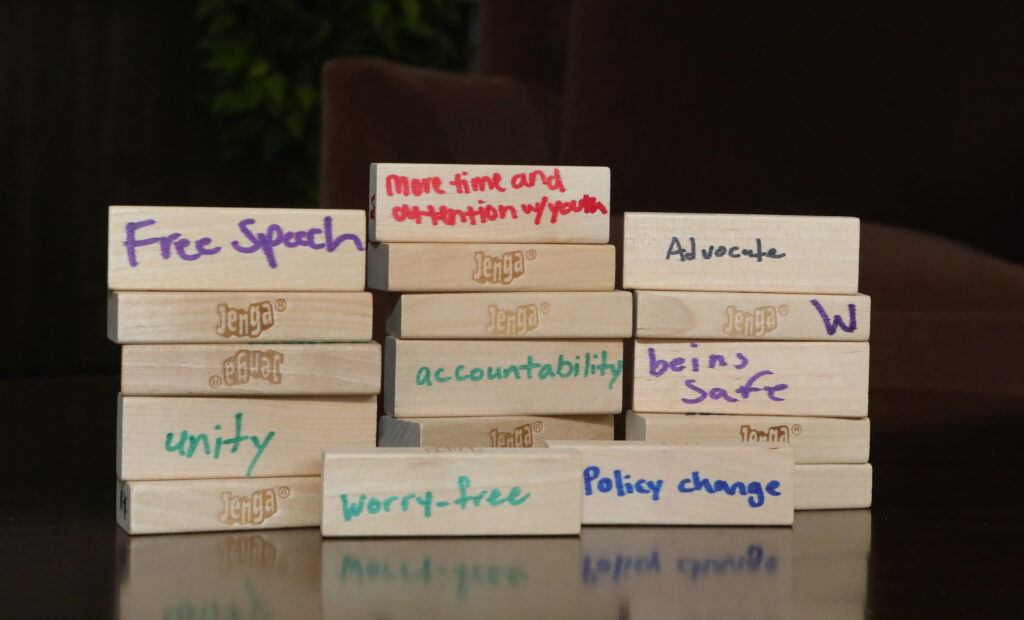
“My aspiration is that we become intentional about investing in youth wellness through time, policy change, and funding,” one participant wrote. “I want to see a county where wellness is not an afterthought, but a foundation.”
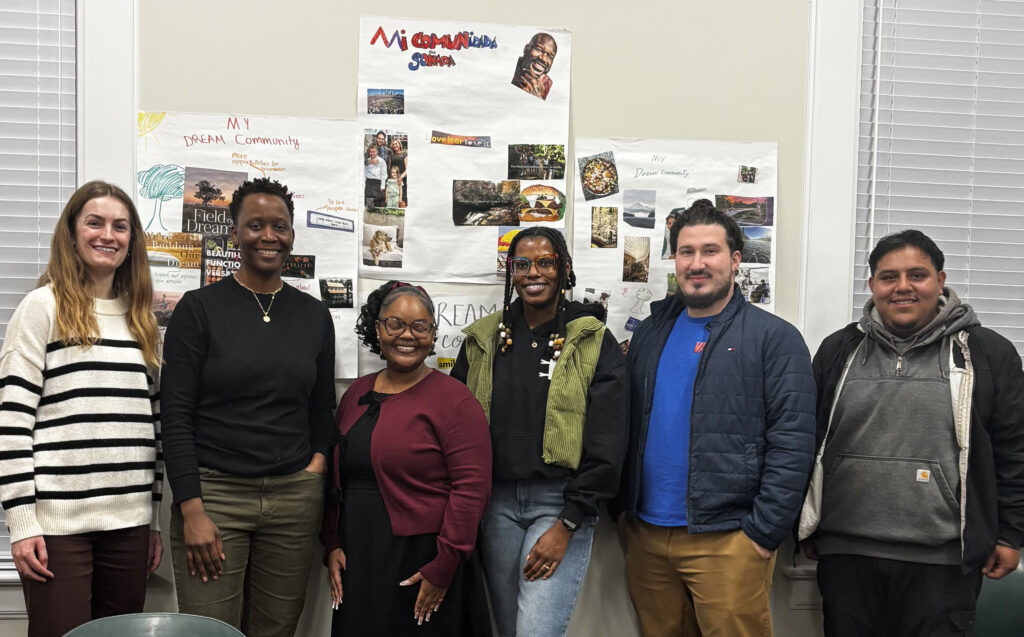
This structure of transparency has allowed respondents to provide a broad variety of opinions. So far, the two platforms combined have received over 70 responses, offering a growing picture of both shared concerns and different perspectives.
Looking Ahead
For the Youth Wellness Team, success starts with participation.
The goal is to encourage more young people and adults to engage with the MyVoice platform: by sharing honestly and listening openly, they can begin to understand one another’s experiences. Over time, the hope is that the broader Alamance County community not only acknowledges what is being shared but respects those perspectives and uses them to help create safer, more supportive spaces for everyone.
That work is already extending beyond the platform.
From community-based conversations with young people to creative efforts like a mural project led by the For Alamance Faith Team, the Youth Wellness Team is continuing to find ways to make young people’s voices visible. At the same time, Williams notes that building stronger connections with agencies and organizations remains a challenge, and an opportunity for deeper collaboration.
She hopes more people will step into that work alongside them.
“I would really encourage the youth to keep reaching out to the community,” Williams says. “The intention is always good, even when the conversations are hard.”
As one participant shared: “I would like them to know that it depends where I am at that I feel safe and sometimes you will run into inequalities around town.”
For Williams and Mendenhall, the goal is not just to create a platform, but to build a shared sense of responsibility where listening leads to action and where young people know their voices matter.
Get Involved
Community members can learn more about the Youth Wellness Team through the For Alamance initiative, a local grassroots effort that empowers community members to act on issues that matter to them. To learn more, contact Jewel White at jewel.white@conehealth.com.